Healthy Boundaries: How to Say No Without Feeling Guilty
Boundaries aren’t walls. They’re honest guidelines for how you want to be treated. Learn what healthy boundaries look like and how to set them kindly.
5 min read
In this article9 sections · showhide
A relative calls to ask for a favour, again. A colleague drops extra work on your desk at 5:45 p.m. A friend keeps texting late at night, expecting an instant reply. You say yes, smile, and then feel tired and quietly resentful afterwards.
If that sounds familiar, you might need healthier boundaries. And far from being selfish, boundaries are often what make close, lasting relationships possible.
What a boundary actually is
A personal boundary is a limit that defines what you’re comfortable with and how you’d like to be treated. Boundaries can cover your time, energy, emotions, body, money, belongings and digital life.
The key thing to understand is that a boundary is about your own choices, not about controlling other people.
- “You can’t call me after 10 p.m.” tries to control someone else.
- “I don’t take calls after 10 p.m.; I’ll reply in the morning” describes what you will do.
The second one is a boundary. It’s calm, clear and within your power.
Why boundaries can feel so hard
Many of us grow up learning that being a good person means always saying yes, especially to family and elders. In close-knit communities, saying no can feel rude, ungrateful or even hurtful. Some people also learn early on that keeping others happy is the safest way to stay out of trouble, a habit often called “people pleasing.”
None of this makes you weak. It makes you human. But constantly putting yourself last isn’t sustainable, and it often leads to burnout, resentment and relationships that feel one-sided.
Constantly putting yourself last isn’t sustainable.
Signs your boundaries need attention
- You often say yes when you want to say no.
- You feel resentful towards people you care about.
- You regularly feel exhausted, used or taken for granted.
- You avoid certain people or calls rather than being honest.
- You feel responsible for everyone else’s feelings and problems.
- You struggle to find any time that is truly your own.
How to set a boundary kindly
Get clear on what you need
Before you speak, ask yourself: what exactly isn’t working, and what would feel better? “I need my Sunday mornings to rest” is clearer than “I’m always so busy.”
Use simple, warm language
A useful formula is: situation, then need, then request or action. For example:
- “I’ve got a lot on this week, so I can’t help with the move. I really hope it goes smoothly.”
- “I love chatting, but I need to focus during work hours. Can we talk this evening?”
- “I’m not comfortable discussing my salary. Let’s talk about something else.”
- “When plans change at the last minute, I feel stressed. Could you let me know a day ahead?”
Keep it short
You don’t need to give a long explanation or justify yourself. As researcher and author Brené Brown puts it, “Clear is kind. Unclear is unkind.” A clear, gentle no is kinder than a resentful yes.
Follow through
Boundaries only work if you keep them. If you said you don’t answer work messages after 8 p.m., try not to reply at 9. Consistency teaches people what to expect.
Dealing with guilt and pushback
Feeling guilty when you first set boundaries is very common, especially if you’re used to putting others first. Guilt doesn’t mean you’re doing something wrong. Often it just means you’re doing something new.
Some people may push back, particularly those who benefited from your lack of boundaries. Stay calm, repeat your boundary simply, and avoid over-explaining. “I understand, but my answer is still no” is a complete sentence. Over time, healthy relationships usually adjust, and many become more honest and respectful as a result.
Therapist Nedra Glover Tawwab, who has written widely about boundaries, notes that people who respect you will generally respect your boundaries too, even if they need a little time to get used to them.
Common mistakes to avoid
- Waiting until you explode. Boundaries are easier to set calmly and early, before resentment builds up.
- Using boundaries as punishment. A boundary protects you; it isn’t a way to hurt or control someone.
- Expecting everyone to like it. Some people may be disappointed. That’s okay. You can be kind and still say no.
- Being too rigid. Healthy boundaries can flex. Helping a friend in a real emergency is different from being taken for granted.
Frequently asked questions
Isn’t setting boundaries selfish?
No. Boundaries protect your time and energy, so you can show up more fully for the people and things that matter most. A sincere yes is only possible when a no is also possible.
How do I set boundaries with family?
Start with small, low-stakes boundaries and use warm language that shows you care: “I love our calls, but I can’t talk every evening. How about Sundays?” Respecting elders and respecting yourself can go together.
What if someone keeps ignoring my boundaries?
Restate it calmly, and decide what you will do if it continues, such as ending the call or leaving the room. If a relationship involves threats, intimidation or abuse, setting boundaries alone may not be safe. Please reach out to a trusted person, a helpline or local support services.
Boundaries are an act of care
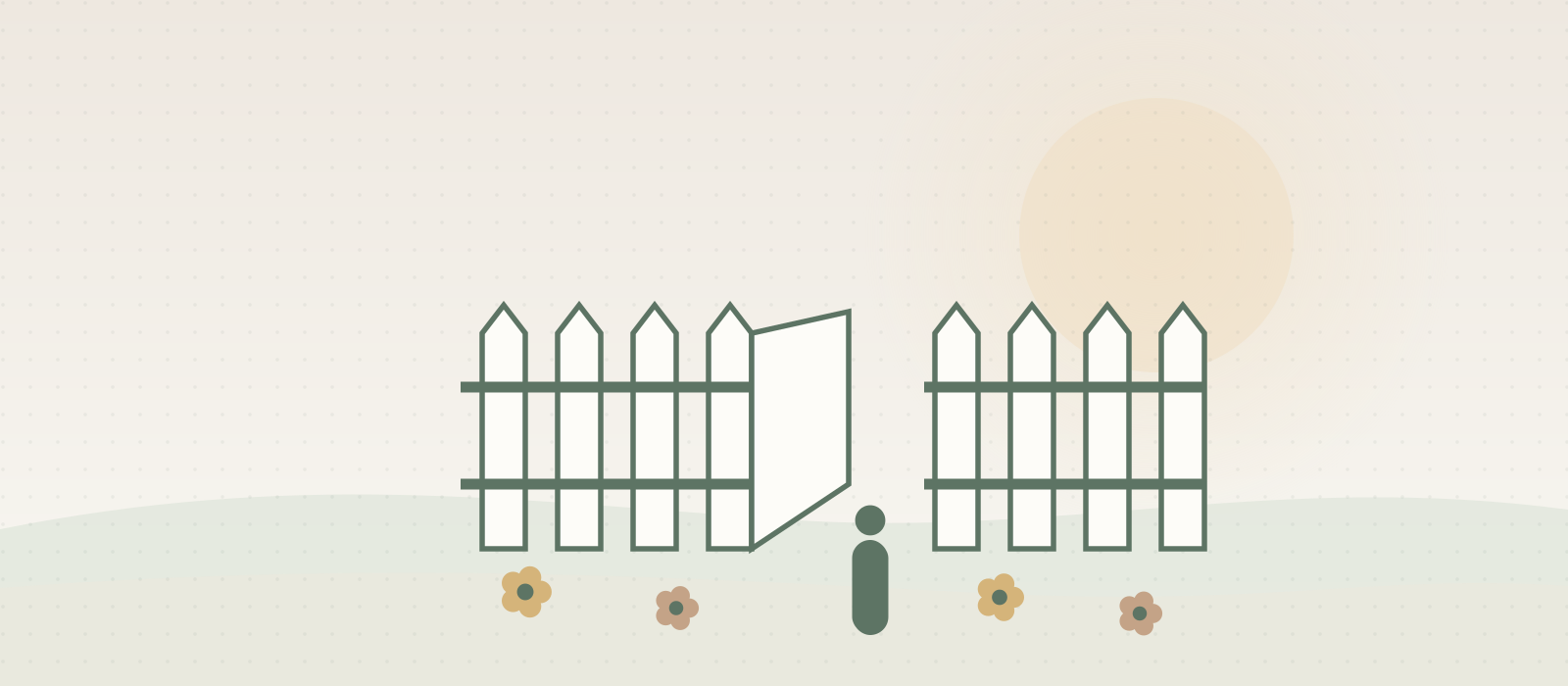
When you protect your time and energy, you have more to give. Boundaries aren’t walls that keep people out; they’re more like a garden fence with a gate. They let people know where you begin and end, and how to come in with care.
Sources and further reading
- Brown, B. (2018). Dare to Lead. Random House.
- Tawwab, N. G. (2021). Set Boundaries, Find Peace. TarcherPerigee.
Found this helpful? Share it with someone who needs it.
🤝 Reading path: Better with others2 of 3
 Up nextComparison: Why We Measure Ourselves Against Others (and How to Stop)
This article is for general information and is not a substitute for professional advice. If you’re struggling, please reach out to a qualified professional or, in India, call the free Tele-MANAS mental health helpline on 14416. See our Disclaimer.
Keep reading
Life
Why Making Friends Gets Harder as an Adult (and What Actually Helps)
At school, friendship seemed to happen by itself. As adults, work, family and distance get in the way. Here’s why adult friendship is harder, and the small, steady habits that keep it alive.
5 min read
Life
Solitude vs Loneliness: Why Being Alone Isn’t the Same as Feeling Alone
You can feel lonely in a crowded room and completely at peace on your own. Here’s the difference between solitude and loneliness, and how to have more of one and less of the other.
5 min read
Life
Active Listening: The Simple Skill That Makes People Feel Truly Heard
Most of us listen in order to reply. Active listening means listening to understand, and it can transform friendships, families and work relationships.
4 min read