Active Listening: The Simple Skill That Makes People Feel Truly Heard
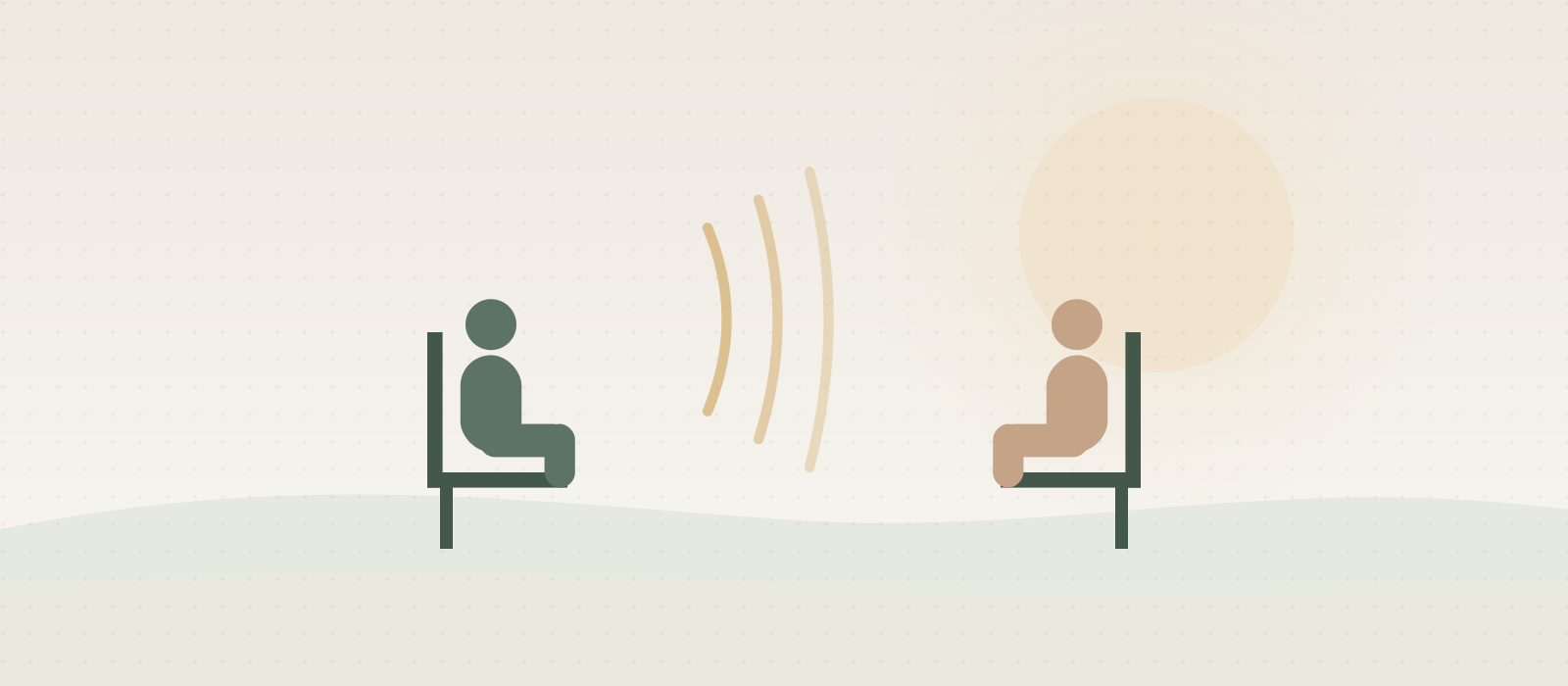
Most of us listen in order to reply. Active listening means listening to understand, and it can transform friendships, families and work relationships.
4 min read
In this article9 sections · showhide
Think of someone who makes you feel really listened to. Perhaps it’s a grandparent, a teacher, an old friend or a good colleague.
Chances are they don’t interrupt. They don’t rush to give advice or jump in with their own story. And when you finish speaking, you feel understood, maybe even a little lighter.
That isn’t just a personality trait. It’s a skill called active listening, and the good news is that anyone can learn it.
Listening to reply vs listening to understand
In most conversations, while the other person is speaking, we’re quietly preparing our own response: our opinion, our solution, our similar experience. The other person can usually sense it. They feel half-heard.
The term “active listening” was popularised by psychologists Carl Rogers and Richard Farson in the 1950s. Rogers, one of the most influential therapists of the twentieth century, believed that being deeply understood is one of the most healing experiences a person can have.
Active listening means three things:
- Giving the speaker your full attention.
- Trying to understand their thoughts and feelings from their point of view.
- Showing them that you understand.
The core skills
Give your full attention
Put your phone face down or away. Turn towards the person. Make comfortable eye contact, in a way that feels natural in your culture and context. Small signs like nodding or a quiet “hmm” show you’re with them.
Don’t interrupt
Let them finish. Then allow a moment of silence before you respond. Many people find that a short pause invites the speaker to share something deeper.
Reflect back what you heard
Summarise in your own words: “So you felt left out when they made plans without you?” This shows you’ve understood, and gives them a chance to correct you if you haven’t.
Name the feeling
“That sounds really frustrating,” or “You must have been so worried.” Recognising emotions, not just facts, is often what makes people feel truly heard.
Ask open questions
Questions that can’t be answered with yes or no invite people to say more: “What happened next?” “How did that feel?” “What would help right now?”
Hold back the advice
Unless they ask for solutions, focus on understanding first. Many people don’t want to be fixed; they want to be heard. If you’re not sure, simply ask: “Do you want ideas, or do you just want to talk it through?”
Recognising emotions, not just facts, is often what makes people feel truly heard.
What to avoid
Even with the best intentions, some habits shut conversations down:
- Topping their story: “That’s nothing, you should hear what happened to me…”
- Jumping straight to fixing: “Just tell your boss you’re leaving.”
- Minimising: “Don’t worry, it’s not a big deal.”
- Judging: “Well, you should have known better.”
- Pretending to listen while thinking about something else, or glancing at your phone.
What research says
Feeling heard has real effects. In one study by communication researchers Harry Weger and colleagues, people who were listened to with active listening techniques felt more understood than people who simply received advice or a brief acknowledgement. Organisational psychologists Guy Itzchakov and Avraham Kluger have found that when people feel listened to well, they become less defensive, more open to other views and better able to reflect on their own thinking.
In other words, good listening doesn’t just make people feel nice. It helps them think more clearly, and it builds trust.
Where it makes a difference
- At home: fewer arguments that come from misunderstanding, and children who feel safe talking to you.
- In friendships: deeper conversations and stronger bonds.
- In partnerships: feeling like a team, even when you disagree.
- At work: teams that solve problems better and colleagues who feel valued.
Common mistakes to avoid
- Turning reflection into parroting. Repeating someone’s exact words can feel robotic. Use your own words and keep it natural.
- Faking empathy. People can tell. If you don’t understand, it’s fine to say, “Help me understand what that was like.”
- Listening only when it’s easy. Active listening matters most in tense moments, which is exactly when it’s hardest.
Frequently asked questions
Isn’t active listening just for therapists?
Not at all. Therapists use it, but so do good parents, teachers, managers and friends. It’s one of the most useful everyday life skills there is.
What if I disagree with what they’re saying?
Understanding someone isn’t the same as agreeing with them. You can listen fully, reflect what you heard, and then share your own view respectfully. People are usually much more open to your view once they feel heard.
How can I practise if I’m naturally talkative?
Try a simple rule for one conversation a day: before you say anything about yourself, ask one follow-up question and reflect back one thing you heard. You’ll be surprised how much the conversation changes.
Practise this week
Choose one conversation each day where your only goal is to understand the other person. Before giving any opinion, reflect back what you heard and ask, “Did I get that right?” You may find people open up in ways they haven’t before, and that you feel closer to them too.
Sources and further reading
- Rogers, C. R., & Farson, R. E. (1957). Active Listening. Industrial Relations Center, University of Chicago.
- Weger, H., Castle Bell, G., Minei, E. M., & Robinson, M. C. (2014). The relative effectiveness of active listening in initial interactions. International Journal of Listening.
- Itzchakov, G., & Kluger, A. N. (2018). The power of listening in helping people change. Harvard Business Review.
Found this helpful? Share it with someone who needs it.
🤝 Reading path: Better with others1 of 3
 Up nextHealthy Boundaries: How to Say No Without Feeling Guilty
This article is for general information and is not a substitute for professional advice. If you’re struggling, please reach out to a qualified professional or, in India, call the free Tele-MANAS mental health helpline on 14416. See our Disclaimer.
Keep reading
Life
Why Making Friends Gets Harder as an Adult (and What Actually Helps)
At school, friendship seemed to happen by itself. As adults, work, family and distance get in the way. Here’s why adult friendship is harder, and the small, steady habits that keep it alive.
5 min read
Life
Solitude vs Loneliness: Why Being Alone Isn’t the Same as Feeling Alone
You can feel lonely in a crowded room and completely at peace on your own. Here’s the difference between solitude and loneliness, and how to have more of one and less of the other.
5 min read

Discipline
How to Protect Your Attention in a Distracted World
Your attention is the raw material of your life, and everything wants a piece of it. Here’s what research says about interruptions and phones, and simple ways to get your focus back.
5 min read