Box Breathing: A Simple 4-Step Technique to Calm Your Mind
Breathe in for four, hold for four, breathe out for four, hold for four. Learn box breathing, a quick and discreet way to steady yourself when stress rises.
5 min read
In this article9 sections · showhide
Think about the last time you felt really stressed. Maybe you were waiting to go into an interview, sitting through a tense phone call, or lying awake at 2 a.m. with your mind racing.
Chances are your breathing changed too. It probably became quick and shallow, high up in your chest. That’s your body’s stress response doing what it was built to do.
Here’s the good news: breathing is one of the few parts of that response you can change on purpose. And one of the simplest ways to do it is a technique called box breathing.
What is box breathing?
Box breathing, sometimes called square breathing, is a slow, paced breathing technique with four equal steps, like the four sides of a square. It’s often associated with US Navy SEALs, who popularised it as a way to stay calm under pressure, but today it’s used by athletes, teachers, nurses, students and people in all kinds of high-pressure jobs.
People like it because it’s simple, quick and discreet. You can do it in a meeting, on a train or in bed, and no one will notice.
How to do it, step by step
Sit or stand comfortably. Let your shoulders drop and your hands rest. Then:
- Breathe in slowly through your nose for a count of 4.
- Hold your breath gently for a count of 4.
- Breathe out slowly through your mouth for a count of 4.
- Hold your breath out for a count of 4.
- Repeat for 4 to 6 rounds, or for a few minutes.
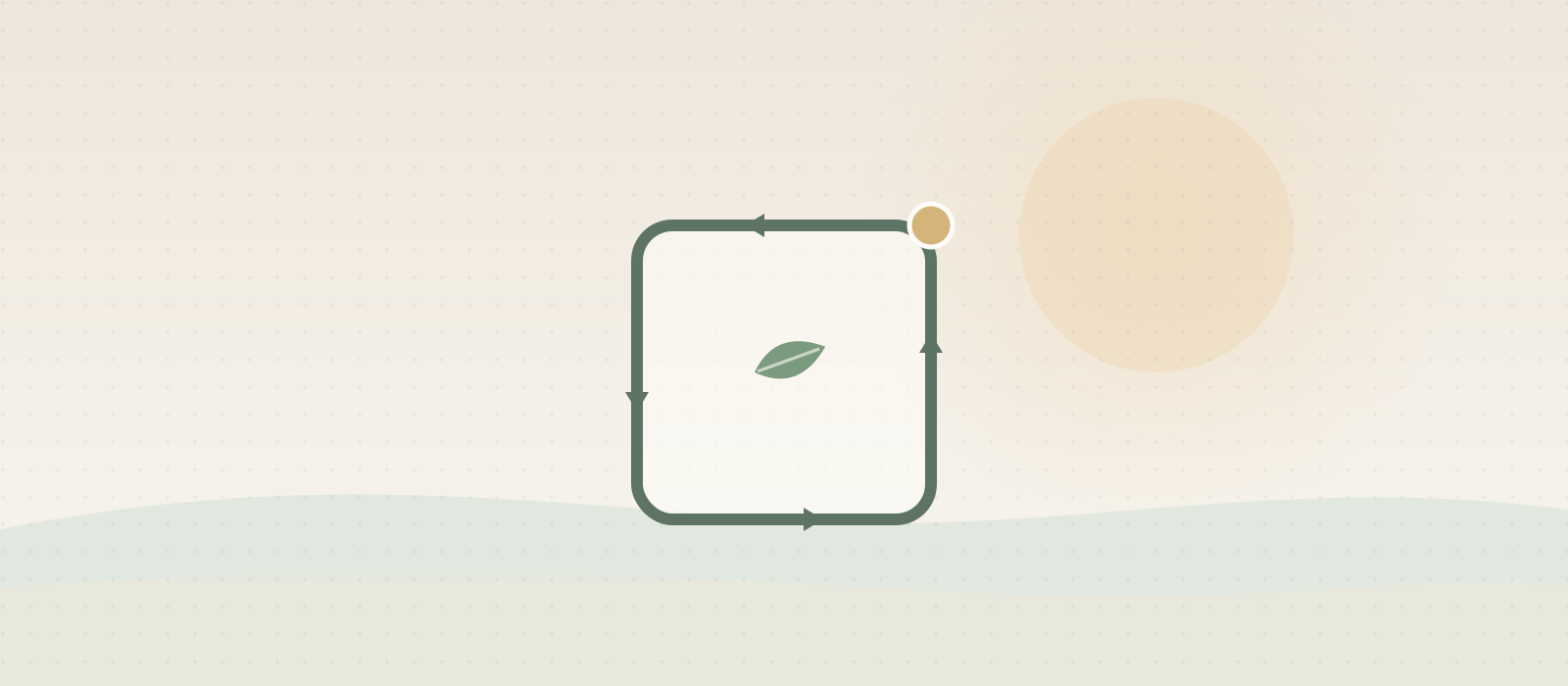
It can help to picture a square as you breathe, travelling up one side as you breathe in, across the top as you hold, down the other side as you breathe out, and along the bottom as you hold again. You can also try our free box breathing timer, which guides you around the square with a moving dot.
Counting gives a busy mind something simple to hold on to.
Why slow breathing helps
When we’re stressed, the body shifts into “fight or flight” mode: the heart beats faster, muscles tense and breathing speeds up. Slow, steady breathing is one of the most widely used ways to help the body move back towards a calmer state.
A 2018 review of research led by Andrea Zaccaro found that slow breathing practices were linked to greater feelings of relaxation and comfort and to reduced anxiety and anger. Counting also gives a busy mind something simple to hold on to, which can interrupt a spiral of worried thoughts.
Other breathing patterns have been studied too. In a 2023 study from Stanford University, researchers including Melis Yilmaz Balban and Andrew Huberman found that five minutes a day of structured breathing improved mood and reduced anxiety over a month. Box breathing was one of the techniques they tested; a pattern with extra-long exhales (“cyclic sighing”) did best of all.
Tips for getting it right
- Adjust the count. If four feels too long, try three. Comfort matters more than the exact number. Over time you might be able to stretch it to five or six.
- Breathe low. Let your belly rise as you breathe in, rather than lifting your shoulders.
- Keep the holds soft. You should never feel strained, dizzy or light-headed. If you do, stop and breathe normally.
- Practise when you’re calm. Like any skill, it works best when it’s familiar. A couple of minutes each day makes it much easier to use when you really need it.
When to use it
- Before exams, interviews, presentations or difficult conversations.
- When you notice irritation or anxiety starting to build.
- During a short break at work to reset your focus.
- In bed when your mind won’t switch off.
- After a stressful event, to help your body settle.
Common mistakes to avoid
- Forcing the breath. Box breathing should feel gentle, not like a test of how long you can hold your breath.
- Giving up after one try. The first few attempts can feel awkward. Give it a week of short daily practice.
- Expecting it to fix everything. It’s a helpful tool for everyday stress, not a cure for ongoing anxiety or medical conditions.
Frequently asked questions
How long should I do box breathing for?
Even one minute (about four rounds) can help. Many people find two to five minutes is a good amount. Our timer lets you choose the number of rounds.
Is box breathing safe for everyone?
It’s gentle for most people, but breath holds aren’t right for everyone. If you have a heart or lung condition, high blood pressure, are pregnant, or feel unwell while practising, check with a doctor first, or simply skip the holds and just breathe slowly in and out.
Can box breathing help me sleep?
Many people find it helps them relax at bedtime. Try a few slow rounds lying down, with the lights off and your phone away.
What’s the difference between box breathing and 4-7-8 breathing?
Both are slow, paced breathing techniques. Box breathing uses four equal steps. The 4-7-8 method, popularised by Dr Andrew Weil, uses a longer hold and an even longer exhale. Try both and see which feels better for you.
Your two-minute calm
You don’t need any equipment, any app or any special place. Next time stress rises, pause and trace a square with your breath: in for four, hold for four, out for four, hold for four. It’s a small thing, but small things done often can change how a whole day feels.
This article is for general information and isn’t medical advice. If anxiety is affecting your daily life, please speak to a doctor or a qualified mental health professional.
Sources and further reading
- Zaccaro, A., et al. (2018). How breath-control can change your life: A systematic review on psycho-physiological correlates of slow breathing. Frontiers in Human Neuroscience.
- Balban, M. Y., et al. (2023). Brief structured respiration practices enhance mood and reduce physiological arousal. Cell Reports Medicine.
Found this helpful? Share it with someone who needs it.
🌿 Reading path: A calmer mind1 of 5
 Up nextThe Practice of Silence: Why a Few Quiet Minutes Can Change Your Day
This article is for general information and is not a substitute for professional advice. If you’re struggling, please reach out to a qualified professional or, in India, call the free Tele-MANAS mental health helpline on 14416. See our Disclaimer.
Keep reading
Spirituality
Loving-Kindness Meditation: A Beginner’s Guide to a Softer Heart
Loving-kindness, or metta, is a simple meditation of silently wishing well to yourself and others. Here’s where it comes from, what research suggests it does, and how to try it in ten minutes.
5 min read
Spirituality
Mindful Eating: How to Slow Down and Actually Taste Your Food
Eating in front of a screen, we barely notice our meals. Mindful eating brings back enjoyment, awareness of hunger and fullness, and a calmer relationship with food.
5 min read
Discipline
How to Protect Your Attention in a Distracted World
Your attention is the raw material of your life, and everything wants a piece of it. Here’s what research says about interruptions and phones, and simple ways to get your focus back.
5 min read