Negativity Bias: Why Your Mind Holds On to the Bad More Than the Good
One harsh comment can outweigh ten compliments. Here’s why your brain gives bad moments extra weight, and gentle, practical ways to give the good a fair hearing.
6 min read
In this article8 sections · showhide
It’s your birthday. Your phone fills up with messages from family, old school friends, even a colleague you barely talk to. And then there’s one reply from a close friend that just says “HBD.” No emoji, no warmth.
Guess which message you’re still thinking about at midnight?
If it’s the short one, you’re not being dramatic, and you’re not ungrateful. You’re experiencing one of the most reliable patterns in human psychology: the negativity bias. Once you understand it, a lot of everyday overthinking starts to make sense, and it becomes much easier to step out of.
What the negativity bias actually is
The negativity bias is our tendency to notice negative things faster, feel them more strongly and remember them for longer than positive things of the same size.
You’ve probably felt it in small ways. Losing ₹500 stings more than finding ₹500 feels good. A single critical line in a performance review can wipe out a page of praise. One rude customer can colour an otherwise pleasant shift.
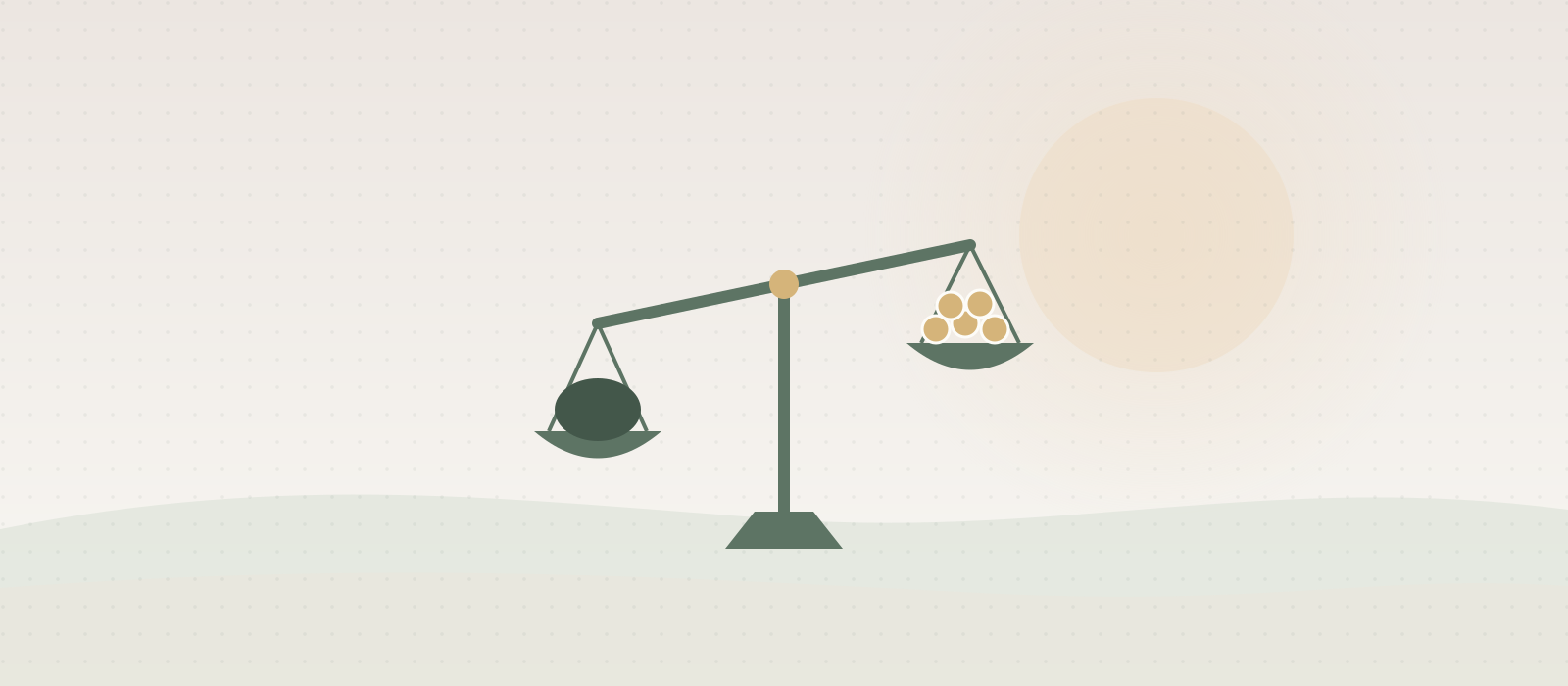
This isn’t just a feeling. In 2001, psychologists Roy Baumeister, Ellen Bratslavsky, Catrin Finkenauer and Kathleen Vohs published a review with a title that says it all: “Bad Is Stronger Than Good.” Looking across relationships, learning, feedback, health and memory, they found the same pattern again and again. Bad events tend to have a bigger and longer-lasting impact than good ones. Around the same time, Paul Rozin and Edward Royzman described a similar “negativity dominance” in how we judge things: a little bit of bad can spoil a lot of good, but rarely the other way round.
Why our brains are built this way
The most common explanation is survival. For our ancestors, missing a sign of danger (a rustle in the grass, an angry face, a strange smell from food) could be fatal. Missing a pleasant opportunity usually wasn’t. A brain that paid a little extra attention to threats was more likely to stay alive and pass on its genes.
That alarm system is still running. The trouble is that today most “threats” are things like an unanswered WhatsApp message, a frown in a meeting or a worrying headline. The brain reacts to them with the same urgency it once saved for predators. Psychologist Rick Hanson puts it memorably: the mind is like Velcro for bad experiences and Teflon for good ones.
A little bit of bad can spoil a lot of good, but rarely the other way round.
How it shows up in everyday life
Once you know what to look for, you’ll spot it everywhere:
- Replaying one awkward sentence from a conversation that otherwise went well.
- Calling a whole day “terrible” because of one frustrating hour.
- Remembering the time a friend let you down more vividly than the many times they showed up.
- Feeling the world is getting worse after scrolling the news, partly because alarming stories grab more attention and get shared more.
- In relationships, one harsh word during an argument landing much harder than all the kind ones.
That last point has been studied closely. Relationship researcher John Gottman found that couples who stay together tend to have far more positive moments than negative ones during conflict, roughly five positive interactions for every negative one. The good has to outnumber the bad just to keep things balanced.
Five gentle ways to rebalance your attention
The goal isn’t to ignore real problems or to paste on a fake smile. It’s to give the good the same fair hearing that the bad gets automatically.
1. Name it when it happens
Simply saying to yourself, “This is my negativity bias,” creates a little distance. You’re not denying the feeling; you’re recognising the pattern behind it.
2. Let good moments land
When something nice happens, such as a kind word, a good cup of chai or the first cool breeze in the evening, don’t rush past it. Pause for 10 to 20 seconds and really notice it. Hanson calls this “taking in the good.” It sounds small, but it gives pleasant experiences a better chance of sticking.
3. Try “three good things” at night
Before bed, write down three things that went well today and, briefly, why they happened. In a well-known 2005 study led by psychologist Martin Seligman, people who did this every night for a week reported feeling happier, and the effect lasted for months for many of them. The “why” part matters: it trains you to notice your own role in good moments.
4. Ask for the full picture
After criticism, make a quick list of what else was said or shown: the parts that were neutral or positive. It stops one comment from becoming the whole story.
5. Choose your inputs
You can’t avoid all bad news, and you shouldn’t try. But you can limit late-night doom-scrolling, mute accounts that leave you drained, and balance your feeds with people and pages that share progress, kindness and solutions too.
Common mistakes to avoid
- Forcing positivity. Telling yourself “just be happy” usually backfires. Acknowledge the hard thing first, then widen the lens.
- Expecting instant change. This is a deep habit of the mind. Small, repeated practice works better than a single big effort.
- Ignoring real warning signs. Sometimes a negative feeling is pointing at something that genuinely needs attention. The aim is balance, not blindness.
Frequently asked questions
Is the negativity bias a bad thing?
Not entirely. It helps you notice risks and learn from mistakes. It only becomes a problem when it’s so strong that you can’t see the good that is also there.
Do some people have a stronger negativity bias than others?
Yes. Temperament, stress, sleep and past experiences all play a part. When you’re tired or anxious, the bias tends to get louder.
How long does it take to feel a difference?
Many people notice a small shift within a week or two of practices like “three good things.” Think of it as gently retraining your attention, not flipping a switch.
When should I get extra help?
If negative thoughts feel constant, heavy or hard to escape for weeks, or if they’re affecting your sleep, work or relationships, please speak to a doctor or a qualified mental health professional.
A kinder way to see it
Your negativity bias is a protective instinct doing its job a little too enthusiastically. You don’t need to fight it, just give it some company. Tonight, before you sleep, try writing down three good things. You might be surprised by how many were there all along.
Sources and further reading
- Baumeister, R. F., Bratslavsky, E., Finkenauer, C., & Vohs, K. D. (2001). Bad is stronger than good. Review of General Psychology.
- Rozin, P., & Royzman, E. B. (2001). Negativity bias, negativity dominance, and contagion. Personality and Social Psychology Review.
- Seligman, M. E. P., Steen, T. A., Park, N., & Peterson, C. (2005). Positive psychology progress: Empirical validation of interventions. American Psychologist.
- Hanson, R. (2013). Hardwiring Happiness. Harmony Books.
Found this helpful? Share it with someone who needs it.
🪞 Reading path: Know yourself1 of 4
 Up nextThe Spotlight Effect: People Notice You Far Less Than You Think
This article is for general information and is not a substitute for professional advice. If you’re struggling, please reach out to a qualified professional or, in India, call the free Tele-MANAS mental health helpline on 14416. See our Disclaimer.
Keep reading
Human Nature
Why Rejection Hurts So Much: The Human Need to Belong
An unanswered message or being left out of a plan can sting far more than seems reasonable. Psychology explains why: we are built to belong. Here’s what that means and how to meet rejection more gently.
5 min read
Human Nature
Self-Deception: The Stories We Tell Ourselves
We’re surprisingly good at fooling ourselves: about our mistakes, our motives and our habits. Here’s why the mind does it, and simple ways to see yourself a little more honestly.
4 min read
Discipline
How to Protect Your Attention in a Distracted World
Your attention is the raw material of your life, and everything wants a piece of it. Here’s what research says about interruptions and phones, and simple ways to get your focus back.
5 min read